

Cataract Vision: Early Signs, Diagnosis, and Treatment
Cataract vision can begin so gradually that many people do not realise how much their sight has changed until everyday tasks start to feel different. You may notice small shifts at first, but even subtle changes in clarity can affect how you move through your day.
This article explores the key signs, diagnosis, and treatment options for cataracts, so you can better understand what to look for and what steps to consider next.
What Cataract Vision Means
Cataract vision refers to the way sight changes when the eye’s natural lens becomes less clear. When the clear lens starts to cloud, light does not focus as cleanly on the retina, which can gradually affect vision.
For many people, cataract vision develops slowly. You might first notice blurry vision, dim vision, or a sense that everyday details are less sharp than before. These changes can happen in one eye first, or in both eyes at different rates.
 How Cataracts Develop
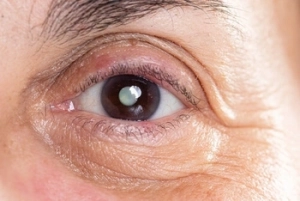 How Cataracts Develop
Cataracts develop when proteins in the natural lens begin to clump together, reducing clarity. Over time, the clear lens may become cloudy, making it harder for light to pass through properly.
This process often develops slowly, especially with age-related cataracts. The lens begins to lose transparency over time, so the early stages may be easy to dismiss.
Early-Stage Cataracts and Common Signs
Early-stage cataracts can be subtle. You may notice that reading takes more effort, that a magnifying glass helps more than it used to, or that your contact lens prescription seems less effective even after an update.
Other cataract symptoms can include sensitivity to light, halos around lights, double vision in one eye, and problems with glare at night. These are among the common symptoms of cataracts, and they can become more noticeable in bright light or after prolonged visual concentration.
The Main Types of Cataracts
There are several types of cataracts, and each one can affect vision differently. A nuclear cataract usually forms in the centre of the eye’s lens and may cause gradual changes in distance and near vision.
Cortical cataracts begin at the edge of the lens and can create streaks or wedge-like areas that interfere with clarity.
A posterior subcapsular cataract forms towards the back of the lens and often causes difficulty with reading and bright lights earlier than some other types of cataracts.
How Cataract Vision Can Affect Daily Life
As cataract vision progresses, visual acuity may fall enough to affect everyday tasks. You may find that signs are harder to read, faces are less distinct, or night driving feels less comfortable than before.
Some people describe impaired vision rather than complete vision loss, especially in the early stages. Others notice that only a small part of the lens is affected at first, yet the cataract grows, and the changes become more obvious with time.
When to Arrange an Eye Examination
An eye exam is the right starting point if you notice persistent blur, glare, or changes in contrast. During an eye examination, an eye doctor or eye specialist can assess whether the changes are related to cataracts or another eye disease.
You may be diagnosed with cataracts after a visual assessment shows the lens has become cloudy. A routine eye examination is useful because cataract symptoms can overlap with other vision concerns, and a clear diagnosis helps guide the next step.
How Are Cataracts Diagnosed?
A visual acuity test is often part of the process, along with checking the eye’s natural lens and overall eye health. The eye doctor may also examine how well each eye focuses light and whether one eye is being affected more than the other.
If cataracts are suspected, your clinician may discuss whether the condition is mild, developing, or more advanced. This helps determine whether cataract treatment should focus on monitoring, updating glasses, or planning for cataract surgery later on.
Cataract Treatment Options
Cataract treatment depends on how much cataract vision is interfering with your daily life. In the early stages, glasses or updated contact lens prescription options may help with function, although they do not remove the cataract itself.
As the lens becomes more clouded, cataract surgery is often the main option. The right approach depends on the type of cataract, the level of visual impairment, and how the changes affect your routines.
Cataract Surgery and Lens Replacement
Cataract surgery involves removing the cloudy lens and replacing it with an artificial lens, also called an intraocular lens. This is eye surgery performed by an eye surgeon, usually as a day procedure.
What to Expect From Recovery
After cataract surgery, vision often improves gradually as the eye settles. Your eye surgeon will give you instructions about eye drops, activity, and follow-up visits, which are important for recovery and monitoring.
Some people notice clearer vision within a short period, while others take longer to adjust to the artificial lens. It is normal to notice changes in brightness, contrast, and depth perception as the brain adapts to the new visual input.
Advanced Cataracts and Timing
 Advanced Cataracts and Timing
Advanced cataracts can make everyday tasks more difficult because the clouded lens affects how much light reaches the retina. At this stage, glare, reduced contrast, and vision loss may be more pronounced.
That said, cataracts occur on a spectrum, and not every case reaches this point quickly. Many cataracts develop slowly, which is why regular eye health checks are useful even when changes seem mild.
Cataracts in Children and Younger Adults
Although age-related cataracts are common, childhood cataracts can also occur. These may be present at birth or develop later, and they need early assessment because vision is still developing.
Younger adults can also develop cataracts due to injury, medications, or other eye diseases. Whatever the cause, prompt review by an eye doctor helps clarify the next step.
Simple Habits That Support Eye Health
A healthy diet supports overall eye health, even though it cannot reverse cataracts. Eating a balanced range of foods, protecting your eyes from ultraviolet exposure, and attending regular eye exams can all help you detect changes early.
It is also sensible to notice when your vision seems different in one eye or when bright lights start to feel less comfortable. These small changes do not always mean cataracts, but they are worth checking.
Frequently Asked Questions
Can cataracts come back after surgery?
Cataracts themselves do not return after surgery because the natural lens has been replaced. However, some people may experience a mild clouding of the lens capsule over time, which can be managed with a simple follow-up procedure if needed.
Are both eyes usually affected by cataracts?
Cataracts can develop in both eyes, but not always at the same rate. It is common for one eye to show more noticeable changes earlier than the other.
What types of lenses are used in cataract surgery?
In cataract surgery, the natural lens is replaced with an intraocular lens. Depending on suitability, options may include monofocal, multifocal, or accommodative lenses.
Conclusion
 Cataract vision can begin quietly, then progress enough to affect how clearly you read, drive, and recognise faces. Because cataracts typically develop slowly, regular eye exams matter, especially if you notice changes in one eye, brighter glare, or reduced contrast.
If you have concerns about cataract symptoms or think developing cataracts may be affecting your sight, a timely eye examination is a practical next step. That assessment can clarify whether you need monitoring, updated lenses, or a conversation about cataract surgery.
Taking a proactive step at this stage can make it easier to understand what is happening with your vision and what options may be suitable for you.
If you would like to have your vision checked or discuss possible next steps, arranging an eye examination is a straightforward way to begin. Contact Mornington Peninsula Eye Clinic on (03) 9070 3580 to get your questions answered, understand your results clearly, and get clarity on what comes next.
Note: Any surgical or invasive procedure carries risks. Before proceeding, you should seek a second opinion from an appropriately qualified health practitioner.
References
Healthdirect Australia. (2024, February). Cataract Surgery. Healthdirect. Retrieved May 22, 2026, from https://www.healthdirect.gov.au/cataract-surgery
Veazey, K. (2023, February 28). What are some different types of cataract? Medical News Today. Retrieved May 22, 2026, from https://www.medicalnewstoday.com/articles/types-of-cataract
Zimlich, R. (2023, July 5). How Long Does It Take to Go Blind from Cataracts? Healthline. Retrieved May 22, 2026, from https://www.healthline.com/health/eye-health/how-long-does-it-take-to-go-blind-from-cataracts




Leave a Reply
Want to join the discussion?Feel free to contribute!