

Can Glaucoma Be Reversed Or Cured? What You Need To Know
Glaucoma affects millions of people worldwide. It primarily damages the optic nerve, often due to high eye pressure. Two questions come up more than any others: can glaucoma be reversed, and is glaucoma curable?
This article answers both directly. We look at what current treatments can and cannot do, what happens to vision that has already been lost, and the practical steps that help protect the sight you still have.
Understanding Glaucoma
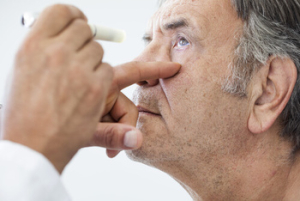 Glaucoma is not just one disease. It is actually a group of eye diseases that can slowly cause vision loss. It occurs when the optic nerve is impaired, which is very important for your sight.
This damage usually happens because of high eye pressure inside the eye, also called intraocular pressure (IOP). Over time, glaucoma can take away your ability to see clearly.
Glaucoma is one of the main reasons behind blindness worldwide, and the risk of age-related vision loss grows with it. But it doesn’t just happen to older people. People of all ages can develop glaucoma, even though it is more common in adults over the age of 60.
Types Of Glaucoma At A Glance
The type of glaucoma you have influences how it is monitored and treated, so it is worth knowing which one your eye doctor is describing.
- Primary open-angle glaucoma (POAG): the most common form. The eye’s drainage system becomes less efficient, pressure rises gradually, and there are usually no symptoms until peripheral vision has already been affected.
- Angle-closure glaucoma: the drainage angle narrows or closes, causing a sharp rise in eye pressure.
- Normal-tension glaucoma: optic nerve damage occurs even though eye pressure sits within the normal range.
- Secondary glaucoma: triggered by an injury, a medication or another eye condition such as cataract, and managed by treating the underlying cause alongside glaucoma treatment to control pressure.
For a full breakdown of each type and how they differ, see our guide to the types of glaucoma.
| When it is an emergency Acute angle-closure glaucoma needs immediate treatment to save the optic nerve. Seek urgent care if you have severe eye pain, blurred vision, nausea or vomiting, haloes around lights, or a red eye. Read more about acute angle-closure glaucoma. |
Can Glaucoma Be Reversed?
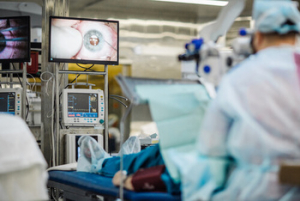 Right now, no cure can treat glaucoma or bring back the vision that has already been lost. Once the optic nerve is damaged, it cannot heal. This means the vision loss caused by glaucoma is permanent.
Yet, there is good news. Even though glaucoma cannot be reversed, some treatments can help slow down the condition and prevent further vision loss.
Early detection is the key to addressing glaucoma. If it is caught early, treatments can help protect eyesight.
Is Glaucoma Curable?
No. There is currently no cure for glaucoma, and vision already lost cannot be restored.
It is worth separating the two questions, because people search for them interchangeably. “Reversed” asks whether lost sight can come back. “Cured” asks whether the disease can be removed altogether. With today’s treatments, the answer to both is no.
What that does not mean is that nothing can be done. Glaucoma is a highly treatable condition, and treatment is usually effective at halting further vision loss. Every available method works the same way, by lowering intraocular pressure to protect the optic nerve and keep the disease under control. Your eye doctor will recommend an approach after weighing several factors, particularly how much pressure reduction a given therapy is likely to achieve for you.
It is also true that what causes glaucoma in the first place is not yet fully understood, which is part of why a cure remains out of reach. What is well established is the role eye pressure plays in optic nerve damage and in the progression of vision loss, and that is what treatment targets.
Managing Glaucoma And Protecting Your Vision
There are many ways to manage glaucoma and keep your eye pressure under control. The goal is to lower the IOP to protect your optic nerve from further damage.
Here are some of the most common treatment options that your eye doctor may recommend:
Prescription Eye Drops
One of the first treatments your eye doctor will likely suggest is prescription eye drops. These drops help lower eye pressure in different ways. Some reduce the amount of fluid the eye makes, while others improve how fluid drains out of the eye.
It is not uncommon to need more than one type of drop, and some need to be instilled up to three times a day. These are long-term medications, so using them exactly as prescribed matters more than almost anything else in protecting your vision.
In acute angle-closure glaucoma, an intravenous or oral medicine may be used to bring eye pressure down rapidly. This is an emergency measure rather than an ongoing therapy.
Laser Treatment For Glaucoma
Laser treatment is another way to manage glaucoma. Two common procedures are YAG laser iridotomy and selective laser trabeculoplasty (SLT). Both reduce eye pressure and help protect the optic nerve from further damage, and each is a quick procedure.
Laser can also be a good alternative for people with open-angle glaucoma who cannot use drops long-term because of side effects or other concerns.
For closed-angle glaucoma, or for those at risk of it, the procedure used is a laser peripheral iridotomy. This creates an additional channel so excess fluid can drain.
Glaucoma Surgery
If medication or laser treatment does not achieve enough pressure control, your eye doctor might suggest surgery. Minimally invasive glaucoma surgery (MIGS) involves inserting shunts, tubes or other microscopic devices into the eye, and offers a quicker recovery than traditional techniques.
Where cataracts are also present, many of these procedures can be combined with cataract surgery.
For a fuller picture of the options, what recovery involves and what it costs, see our guides to glaucoma treatment in Australia, before and after glaucoma surgery, and glaucoma surgery cost.
Slowing Glaucoma Down
Although glaucoma cannot be reversed or cured, its progression can be slowed. Two things do most of the work.
Regular Eye Exams
One of the most important things you can do to protect your vision is to have regular eye exams. Glaucoma often causes no obvious symptoms in the early stages, so a comprehensive eye exam is the main way it gets picked up before serious damage occurs.
If you have one or more risk factors, your eye doctor may recommend a more frequent schedule for a dilated eye exam. This involves instilling drops to widen the pupil so your eye care professional can get a proper look at the optic nerve.
Managing Your General Health
Staying active, keeping conditions such as high blood pressure and diabetes well controlled, and eating well all support your eye health and can help lower eye pressure. We cover this in detail in how to prevent glaucoma and foods to prevent glaucoma.
Living With Glaucoma
Living with glaucoma and permanent blind spots can be difficult, and you do not have to manage it alone. Low-vision services can help you adapt day to day, and organisations such as Glaucoma Australia and the Glaucoma Research Foundation offer information and peer support for patients and their families.
Frequently Asked Questions
What are the risk factors for glaucoma?
Some things that can increase your risk of glaucoma are:
- A family history of glaucoma
- Older age
- Being of African or Asian descent
- Certain medical conditions, including diabetes, high blood pressure, migraines and sleep apnoea
- Being short-sighted or long-sighted
Even without any of these, it is still possible to develop glaucoma, which is why regular eye exams matter for everyone.
Is glaucoma curable with lifestyle changes alone?
No. Lifestyle changes support your general eye health and can help with pressure control, but they cannot replace medical treatment, and they cannot cure glaucoma or restore lost vision.
Are there any symptoms of glaucoma I should watch for?
At first, glaucoma might not show any symptoms. But sometimes, you may notice:
- Blurred vision
- Eye pain, especially with acute angle-closure glaucoma
- Sudden loss of vision in one or both eyes
- Seeing halos around lights
Can glaucoma cause headaches?
Sometimes, angle-closure glaucoma can cause eye pain and headaches because of higher eye pressure. If you have a headache, blurred vision, or pain, see a doctor immediately.
What is a visual field test?
A visual field test checks how well you can see from the side. Glaucoma can affect side vision first, so this test helps find early signs of damage to the optic nerve.
Can stress affect glaucoma?
Stress doesn’t directly cause glaucoma, but it can raise your blood pressure, which may increase your risk. To help manage stress, try things like deep breathing, yoga, or meditation.
Can smoking affect glaucoma?
Yes, smoking can make glaucoma worse. It can harm the blood vessels in your eyes and cause more damage to the optic nerve. Quitting smoking can help lower your risk of eye problems, including glaucoma.
Can I drive if I have glaucoma?
You can still drive if your treatment is working and your vision is not affected. But if your vision gets worse or you have sudden vision loss, talk to your eye doctor about whether it’s okay for you to drive.
Is there a connection between cataract surgery and glaucoma?
In some cases, cataract surgery can help lower eye pressure. It can help the eye drain fluid better, which can protect the optic nerve. But cataract surgery doesn’t cure glaucoma, and you may still need other treatments.
Conclusion
Glaucoma is a serious eye condition that needs treatment and care for life. It cannot be reversed and there is no cure, but finding it early, using the right treatment consistently, and looking after your general health can protect your vision for years to come.
If you think you have glaucoma or are at higher risk, the best way to keep your vision healthy is to see an eye doctor for a full eye check-up.
Your vision is important, and early care can make a big difference. If you have questions about glaucoma or want to check your eye health, see us in Melbourne. Our friendly team will help you take care of your eyes and protect your vision for the future.
Contact Mornington Peninsula Eye Clinic now at (03) 9070 3580 to schedule your eye exam!
Note: Any surgical or invasive procedure carries risks. Before proceeding, you should seek a second opinion from an appropriately qualified health practitioner.
Sources
Biggerstaff K S 2024. Primary Open-Angle Glaucoma (POAG): Practice Essentials, Background, Pathophysiology Dersu I Irak, editor. Medscape. Available at: https://emedicine.medscape.com/article/1206147-overview [Accessed February 7, 2025]
George R, Panda S & Vijaya L 2021. Blindness in Glaucoma: Primary Open-Angle Glaucoma Versus Primary Angle-Closure Glaucoma—a Meta-Analysis. Eye 36, 2099–2105. 10.1038/s41433-021-01802-9
Healthdirect Australia 2024. Glaucoma. Healthdirect. Available at: https://www.healthdirect.gov.au/glaucoma [Accessed February 7, 2025]
National Eye Institute. Glaucoma. Available at: https://www.nei.nih.gov/learn-about-eye-health/eye-conditions-and-diseases/glaucoma [Accessed September 7, 2026]
Reddy N 2024. Laser Surgery for Glaucoma: How It Works and What to Expect. GoodRx. Available at: https://www.goodrx.com/conditions/glaucoma/glaucoma-surgery [Accessed February 7, 2025]
Smith H 2024. What to Know About Early Signs of Glaucoma. Medical News Today. Available at: https://www.medicalnewstoday.com/articles/early-signs-of-glaucoma [Accessed February 7, 2025]
Taylor M 2023. 11 Tips for Eating for Glaucoma. HealthCentral. Available at: https://www.healthcentral.com/slideshow/glaucoma-diet-nutrition-tips [Accessed February 7, 2025]


Leave a Reply
Want to join the discussion?Feel free to contribute!