

Everything You Should Know About Sudden Blurred Vision
Sudden blurred vision can be an unsettling experience. While occasional blurry eyesight might not always signal a serious issue, a sudden vision change can sometimes indicate an underlying problem that requires timely attention.
Understanding what causes sudden blurred vision, how it can present, and when to seek medical attention can help you respond properly and improve your eye health.
What Is Sudden Blurred Vision?
Sudden blurred vision refers to a rapid or unexpected loss of sharpness in your eyesight. It can affect one or both eyes and may occur within seconds, minutes, or hours.
Some people describe it as seeing through a fog or film, while others experience hazy or cloudy vision. In many cases, this change can be temporary. However, if the blurring persists or worsens, it may suggest a problem with the optic nerve, blood vessels, or the retina.
Common Symptoms That May Accompany Blurry Eyesight
 When sudden blurred vision occurs, it often presents alongside other visual or physical changes. Recognising these accompanying signs can help you better understand what might happen and whether prompt evaluation is needed.
1. Changes in Focus
You may notice that objects appear distorted, hazy, or unclear at varying distances. This difficulty maintaining focus could stem from issues affecting the cornea, lens, or retina, or even temporary strain of the eye muscles.
The extent of blurring may fluctuate depending on the lighting or the nature of the underlying cause.
2. Double Vision
Double vision, also called diplopia, occurs when two overlapping or side-by-side images are perceived instead of one. This may result from an imbalance in how the eyes align or move together, or from disruptions in the nerves and brain pathways that coordinate visual processing.
Persistent or sudden double vision often requires clinical assessment, as it can indicate a problem with the muscles or nerves controlling the eyes.
3. Light Sensitivity or Flashing Lights
Increased sensitivity to light (photophobia) or the appearance of flashing lights and halos may indicate irritation or inflammation inside the eye. These visual effects can also relate to conditions involving the retina or fluctuations in eye pressure.
If flashes occur suddenly or are accompanied by new floaters or shadows in your field of vision, it may suggest retinal changes that need prompt review.
4. Pain or Discomfort
Blurred vision caused by inflammation, infection, or surface injury, such as a corneal abrasion, can accompany pain, a feeling of pressure, or general discomfort in or around the eye.
While mild irritation may be due to dryness or fatigue, persistent or severe pain should always be assessed, as it may point to more significant ocular conditions.
Causes of Sudden Blurred Vision
There are various causes of sudden blurry or cloudy vision, ranging from mild and temporary to more serious.
1. Refractive Changes
Sometimes, vision suddenly changes because of issues with contact lenses or glasses. Dirty or damaged lenses can temporarily cause blurred vision.
2. Dry Eyes
Your vision may fluctuate when your eyes do not produce enough amounts of tears or have poor tear quality. Using artificial tears can provide relief for mild dryness.
3. Eye Infections and Inflammation
Conditions like pink eye (conjunctivitis) or keratitis can cause blurry vision due to swelling and discharge. These may also present with redness or eye pain.
4. Corneal Abrasion
A scratch on the cornea might lead to sudden blurring or sensitivity to light. Although minor abrasions often heal, they still need assessment to prevent infection.
5. High or Low Blood Sugar Levels
Fluctuations in blood sugar, whether high or low, can affect the lens inside your eye, leading to temporary blurriness.
6. High Blood Pressure
High blood pressure might cause damage to blood vessels in the retina, affecting vision clarity. Over time, this can lead to slow vision loss or more sudden blurring if vessels leak or swell.
7. Retinal Detachment
A detached retina occurs when the retina separates from its underlying tissue. This medical emergency can result in sudden vision loss if not addressed promptly. Warning signs include flashing lights, floaters, or a curtain-like shadow across your visual field.
8. Optic Neuritis
This condition involves optic nerve inflammation, which connects the eye to the brain. It can cause pain with eye movement and sudden blurry vision in one eye.
9. Angle-Closure Glaucoma
A sudden rise in eye pressure may occur due to angle-closure glaucoma, leading to severe pain, halos around lights, and vision loss. It requires immediate treatment.
10. Wet Macular Degeneration
Wet macular degeneration can cause rapid changes in central vision due to abnormal blood vessel growth under the retina. Straight lines may appear wavy or distorted.
11. Transient Ischaemic Attack (TIA) or Stroke
A TIA can temporarily block blood flow to the brain or eyes, causing loss of vision or blurry eyesight. Though symptoms may resolve, treating it as a warning sign is crucial.
12. Brain Injuries or Concussions
Head trauma can affect how your brain processes visual information, resulting in hazy vision or double vision.
When Is Blurred Vision a Cause for Concern?
Knowing when blurred vision is concerning helps ensure prompt and appropriate treatment.
 Seek medical attention immediately if you notice:
- Vision suddenly becoming blurry in one or both eyes.
- Partial or total vision loss.
- Flashing lights, floaters, or dark spots.
- Severe headache, dizziness, or difficulty speaking.
- Eye pain, redness, or swelling.
Even if symptoms seem minor or resolve quickly, it’s important to get a professional evaluation to rule out serious conditions such as optic neuritis, angle-closure glaucoma, or retinal detachment.
Temporary vs. Permanent Vision Changes
Not all episodes of sudden blurred vision indicate a lasting problem. Understanding the difference between temporary and permanent blurriness can help you recognise when professional assessment may be needed.
Temporary Blurriness
It can result from tired eyes, contact lenses, or low blood sugar. These cases often resolve once the underlying issue is corrected.
Permanent Vision Changes
If left untreated, conditions involving the optic nerve, blood vessels, or retina may cause permanent damage or vision loss. Early detection often leads to better management outcomes.
Diagnostic Steps
When you visit an eye care professional for sudden blurred vision, they may:
- Conduct a visual field test to assess your peripheral vision.
- Examine the retina and optic nerve for swelling or abnormalities.
- Review your medical history for underlying conditions such as diabetes or high blood pressure.
These assessments help identify whether the cause is ocular, neurological, or systemic.
Treatment Approaches
The treatment depends on the underlying cause of sudden blurry vision.
- Eye Drops and Medications: Eye drops may reduce swelling or fight bacteria for infections or inflammation.
- Laser or Surgical Procedures: Some eye conditions may require laser or surgical intervention to protect remaining vision.
- Managing Systemic Conditions: Maintaining stable blood sugar and blood pressure levels helps support healthy eye blood vessels.
The key to preserving vision lies in seeking prompt and appropriate treatment as soon as symptoms appear.
Preventing Sudden Blurred Vision
While not all causes are preventable, maintaining overall eye health can reduce risks.
- Regular Eye Examinations: Routine check-ups help detect subtle changes in your eyes early.
- Protecting Your Eyes: Wear protective eyewear when engaging in activities that may cause a corneal abrasion or eye injury.
- Managing Chronic Conditions: Control high blood pressure and high blood sugar through a balanced diet and prescribed medication.
- Proper Contact Lens Hygiene: Clean and replace lenses as recommended to prevent eye infections.
- Healthy Lifestyle Choices: A balanced diet rich in leafy greens, omega-3s, and antioxidants supports retinal health.
Sudden Blurred Vision in One Eye
When vision in one eye becomes blurry, the cause may relate to a retinal detachment, optic nerve inflammation, or vascular blockage. A one-sided change often warrants immediate review.
Sudden Blurred Vision in Both Eyes
If both eyes are affected, systemic conditions like low blood sugar, high blood pressure, or brain injuries could be involved. In such cases, prompt examination helps determine the right course of action.
What You Can Do Immediately
If your vision suddenly becomes blurry:
- Avoid driving or operating machinery.
- Remove contact lenses if you wear them.
- Rest your eyes in a dimly lit space.
- Avoid rubbing your eyes.
- Seek professional care to determine the cause.
Frequently Asked Questions
Can sudden blurred vision go away on its own?
Some minor causes, like dry eyes or temporary strain, can resolve naturally. However, persistent symptoms should always be assessed.
Can digital screens cause hazy vision?
Prolonged screen time can cause eye strain or dryness, leading to hazy vision. Regular breaks and proper lighting can help.
Can stress or fatigue cause sudden blurry vision?
Stress and fatigue can temporarily affect the body’s ability to focus, leading to hazy vision or difficulty concentrating on objects. These changes usually resolve once the body rests or rehydrates, but persistent or recurring blurriness should be evaluated to rule out underlying eye conditions.
Conclusion
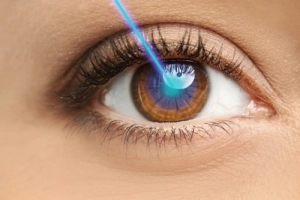 Sudden blurred vision can range from a temporary inconvenience to a sign of a serious condition. Recognising the warning signs, maintaining healthy lifestyle habits, and seeking timely assessment can improve eye health.
If you experience sudden or unexplained blurriness, an eye examination with a qualified eye care professional can help. Early attention helps identify the cause and supports better long-term outcomes for your vision.
If you suddenly experience blurry vision, contact Mornington Peninsula Eye Clinic at (03) 9070 3580 to have your eyes examined by a qualified eye care professional. A timely assessment can help identify the cause and determine the suitable approach for your situation.
Note: Any surgical or invasive procedure carries risks. Before proceeding, you should seek a second opinion from an appropriately qualified health practitioner.
References
Ansorge, R. (2023, February 21). Simple Tips to Prevent Eye Fatigue. WebMD. Retrieved October 29, 2025, from https://www.webmd.com/eye-health/eye-fatigue-causes-symptoms-treatment
Fletcher, J. (2024, July 19). Is Blurry Vision a Symptom of Pink Eye? Medical News Today. Retrieved October 29, 2025, from https://www.medicalnewstoday.com/articles/blurry-vision-and-pink-eye
Gardner, A. (2025, April 20). 8 Causes of Blurry Vision—and When To Seek Care. Health. Retrieved October 29, 2025, from https://www.health.com/condition/eye-health/blurry-vision-causes
Goad, K. (2024, December 18). What Causes Blurry Vision in One Eye? AARP. Retrieved October 29, 2025, from https://www.aarp.org/health/conditions-treatments/blurry-vision-in-one-eye/
Lipner, M. (2025, August 18). What Causes Sudden Blurry Vision? Verywell Health. Retrieved October 29, 2025, from https://www.verywellhealth.com/sudden-blurry-vision-5092267



Leave a Reply
Want to join the discussion?Feel free to contribute!