

Can Macular Degeneration Be Reversed? Understanding Care Options
Changes in your vision can feel concerning, particularly when they affect the centre of what you rely on for daily tasks. Questions about whether macular degeneration can be reversed often arise when straight lines begin to blur or blank spots appear without warning. Macular degeneration develops gradually, which means early changes are often noticed during routine checks rather than through sudden discomfort.
Understanding what is happening inside the retina helps you make sense of why vision may shift and what support options exist. This guide walks you through how the condition progresses, what care focuses on at different stages, and how timely guidance can help protect your remaining vision.
Can Macular Degeneration Be Reversed Or Only Managed
Understanding how age-related macular degeneration behaves over time helps set realistic expectations about what care can achieve.
 How Macular Degeneration Affects Central Vision Over Time
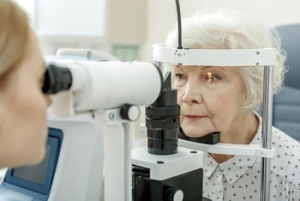 How Macular Degeneration Affects Central Vision Over Time
When macular degeneration develops, it affects the part of the retina responsible for detailed, forward-facing sight. This is the area that allows you to read, recognise faces, and maintain sharp vision. As changes progress, central vision may blur or fade while side vision remains intact. These changes can feel subtle at first, especially in the early stages. Over time, the impact on daily tasks often becomes more noticeable.
What Reversal Means In Eye Care Contexts
People often ask whether macular degeneration can be reversed because the word reversal suggests returning vision to its previous state. In eye care, reverse macular degeneration does not usually mean restoring the retina to how it once was. Instead, it refers to stabilising vision, slowing progression, or improving function where possible. In some situations, vision can improve, but this depends on the type and stage of the disease. Clarity around this distinction helps avoid unrealistic expectations.
Why Early And Late Stage Changes Behave Differently
Macular degeneration progresses through three stages, and how your vision responds depends heavily on timing. In early stages, changes may be minimal and easier to manage. As the condition advances into a late stage, structural damage within the patient’s eye becomes more established. At that point, recovery is limited, and the focus shifts toward protecting remaining vision. Early detection plays a key role in long-term outcomes.
Limits Of Vision Recovery Once Damage Occurs
Once retinal cells are damaged, they cannot regenerate in the same way as other tissues. This is why further vision loss becomes harder to prevent as the condition progresses. Vision impairment may continue even with appropriate care, although progression can often be slowed. Understanding these limits helps frame treatment decisions in a practical way. The goal becomes preserving function rather than restoring what has been lost.
Types Of Macular Degeneration And How They Progress
Not all macular degeneration follows the same path. Knowing which type you have explains why some people experience gradual changes while others notice faster shifts in vision. Each type behaves differently and requires a tailored approach.
Dry Macular Degeneration And Gradual Retinal Change
Dry macular degeneration, also referred to as dry AMD, is the most common form. It develops slowly as the retina thins and small deposits accumulate. Vision changes may progress over the years, making them easier to overlook at first. Many people adapt without realising how much detail has been lost. This gradual nature is why regular monitoring is so important.
Wet Macular Degeneration And Rapid Vision Decline
Wet macular degeneration, also called wet AMD, tends to progress more quickly. It occurs when abnormal blood vessels grow beneath the retina. These vessels are fragile and can leak fluid or blood, leading to sudden vision changes. Even small leaks can significantly affect central vision. Prompt assessment is essential when this form develops.
Abnormal Blood Vessel Growth In Advanced Disease
In wet forms of related macular degeneration AMD, abnormal blood vessel growth disrupts normal retinal structure. These vessels respond to vascular endothelial growth factor, which drives their formation. As they expand, they place stress on surrounding tissue. This process explains why vision can change rapidly over a short period. Managing this activity is a major focus of treatment.
Fluid Leakage And Swelling In The Retina
Leaking blood vessels allow fluid to collect within the retinal layers. This swelling distorts how light is processed, affecting clarity and contrast. You may notice difficulty reading or recognising faces. These changes often fluctuate, which can feel confusing. Imaging helps track how fluid levels change over time.
Risk Factors That Influence Disease Progression
Several risk factors affect how macular degeneration progresses. Family history plays a role, as do conditions such as high blood pressure and high cholesterol. Smoking and overall vascular health also influence outcomes. Understanding these factors helps guide monitoring and lifestyle decisions. Risk awareness supports earlier intervention.
Treatment Options And Support For Living With Vision Changes
 Management focuses on slowing progression, supporting daily function, and preserving quality of life. While people often ask again whether macular degeneration can be reversed, care is usually about protecting remaining vision and helping you adapt confidently.
Medical Treatments Used To Slow Disease Activity
Macular degeneration treatment aims to reduce disease activity and prevent further damage. Treatment options depend on whether dry or wet forms are present. In many cases, the goal is to slow progression rather than restore vision. Regular eye exams allow your eye doctor to assess how the retina responds over time. Early action often leads to better stability.
Injection Therapies Targeting Retinal Swelling
Anti-VEGF injections are commonly used for wet forms of the condition. These injections reduce the activity of vascular endothelial growth factor, limiting abnormal vessel growth and leakage. Anti-VEGF injections may help improve vision in some cases, especially when started early. Treatment schedules are adjusted based on response. Monitoring continues alongside therapy.
Laser and Light-Based Interventions In Specific Cases
Laser therapy and photodynamic therapy may be used in selected situations. These approaches target abnormal blood vessels while minimising impact on surrounding tissue. Laser treatment is not suitable for everyone, but it can help stabilise certain patterns of disease. Decisions are guided by imaging and disease location.
Nutrition And Supplement Support For Eye Health
Nutritional supplements may support eye health in specific stages of macular degeneration. Formulations often include vitamin C, vitamin E, and beta carotene, although suitability varies. Supplements do not cure the condition, but they may help slow progression in some people. Advice should be tailored to your individual health profile.
Lifestyle Adjustments That Support Daily Function
Lifestyle changes can support overall vision and well-being. Maintaining a healthy weight, quitting smoking, and managing cardiovascular health all play a role. Practical adjustments, such as using brighter lights or low vision aids, can make daily tasks easier. These strategies help you remain independent despite low vision.
Your Ongoing Eye Care Starts With Us
 Macular degeneration remains a leading cause of vision impairment, but timely assessment and ongoing monitoring can make a meaningful difference. We focus on helping you understand what is happening in your eye and how changes may affect daily vision over time. Regular eye exams allow us to track progression, adjust care, and discuss appropriate treatment options as your needs evolve. Working closely with our eye doctor supports informed decisions and long-term eye health. If you have concerns about vision changes or want guidance tailored to your situation, we are here to help. Please call our clinic on (03) 9070 3580 to arrange a review.
Note: Any surgical or invasive procedure carries risks. Before proceeding, you should seek a second opinion from an appropriately qualified health practitioner.
References
https://www.ncbi.nlm.nih.gov/books/NBK560778/
https://www.webmd.com/eye-health/macular-degeneration/age-related-macular-degeneration-overview


Leave a Reply
Want to join the discussion?Feel free to contribute!