

Understanding Vitreous Haemorrhage Symptoms: What to Know
Noticing changes in your vision can feel surprising, even when they begin subtly. Understanding vitreous haemorrhage symptoms helps you recognise when something in your eye may need closer attention. These symptoms can appear in different ways depending on the underlying cause, and learning what they might mean gives you a clearer sense of how to respond.
By knowing what to look out for and when to seek guidance, you place yourself in a stronger position to care for your vision. This article walks you through the common symptoms, potential causes, and helpful steps to consider if you notice something out of the ordinary.
Understanding Vitreous Haemorrhage
Vitreous haemorrhage occurs when blood leaks into the vitreous humour, the clear gel that fills the space between your lens and retina. When this happens, the way you see can change in noticeable ways.
Recognising the symptoms of vitreous haemorrhage early may help you make informed choices about your eye health.
Why Vision Changes Matter
Any change in the way you see is worth paying attention to. While some symptoms may appear suddenly, others may progress over time. Understanding what these signs might mean can guide you to seek timely advice, especially when the affected eye feels different from usual.
How the Vitreous Humour Plays a Role
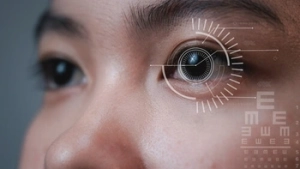 The vitreous humour is a water-based fluid containing substances such as hyaluronic acid. It supports the shape of your eye and helps light reach the retina.
When red blood cells enter this clear gel, vision may become cloudy. The degree of disturbance varies, as vitreous haemorrhage depends on the underlying cause.
Common Vitreous Haemorrhage Symptoms
You may notice floaters, shadows, or dark spots moving across your field of view. Some people describe a hazy or blurred appearance.
These symptoms may develop in one or both eyes, but they commonly affect one eye at a time. If the bleeding is mild, symptoms may be subtle; if more blood is present, vision may appear more obscured.
Floaters and Shadows
Floaters are a recognisable symptom of vitreous haemorrhage. They form when red blood cells or clots of blood appear to drift across your sight. You may see dark dots, cobweb-like strands, or irregular shapes. These may move as your eye moves because the particles float within the gel-like vitreous.
Blurry or Hazy Vision
When blood scatters light in the eye, you may notice blurriness or haze. This may make it harder to read, recognise faces, or focus on fine detail. The severity of this blurriness may vary depending on how much blood is present and where it settles within the vitreous humour.
Light Sensitivity and Flashes
Some people notice increased sensitivity to bright environments. Flashes of light may also appear, especially if the vitreous gel pulls on the retina. These flashes may be brief but noticeable and signal a deeper issue, such as a retinal tear or a posterior vitreous detachment.
Understanding the Underlying Cause
Symptoms of vitreous haemorrhage can vary depending on the underlying cause. The way the blood disperses or settles may depend on gravity, eye movement, and the health of your retinal vessels. Your visual acuity may fluctuate as the blood shifts within the vitreous humour.
Posterior Vitreous Detachment and Vision Changes
A posterior vitreous detachment can occur when the vitreous gel naturally pulls away from the retina. While common with age, this process can sometimes cause traction on the retina. This traction may lead to a retinal tear or bleeding from retinal vessels, contributing to vitreous haemorrhage.
Retinal Tears and Retinal Detachment
A retinal tear can allow blood to enter the vitreous cavity, and in some cases, a retinal detachment may follow. You may notice a sudden shower of floaters, flashes, or a dark curtain-like shadow. These changes deserve prompt attention, as they may indicate structural changes in the retina.
Conditions Linked to Abnormal Blood Vessels
Some eye conditions involve fragile new blood vessels or abnormal blood vessels growing on the retina. These vessels may be thin and prone to bleeding. When they rupture, bleeding may enter the vitreous, leading to visible symptoms.
Diabetic Retinopathy and Vision Changes
Diabetic retinopathy is a common cause of abnormal new blood vessels forming on the retina. These abnormal vessels may bleed more easily than normal blood vessels. If bleeding occurs, it may affect visual acuity and cause floaters or haziness in the affected eye.
 Retinal Vein Occlusion and Reduced Blood Flow
 Retinal Vein Occlusion and Reduced Blood Flow
A blockage in retinal veins, such as a central retinal vein occlusion or branch retinal vein occlusion, may lead to swelling or weak retinal blood vessels. When these vessels rupture, the resulting blood may enter the vitreous humour. Vein occlusion may develop due to factors such as high blood pressure or other circulatory concerns.
Retinal Macroaneurysms and Bleeding
Retinal macroaneurysms are areas where retinal vessels become enlarged or weakened. They may burst, causing blood to leak into nearby tissues or the vitreous. When this happens, you may notice visual disturbances that develop quickly.
Macular Degeneration and Fragile Vessels
Some forms of macular degeneration involve the growth of new blood vessels beneath the retina. These abnormal vessels may be more fragile than normal blood vessels. If they bleed, the blood may enter different layers of the eye, contributing to vitreous haemorrhage.
Blunt Trauma and Sudden Bleeding
A direct hit to the eye, even a mild one, may disrupt retinal blood vessels. Blunt trauma can lead to bleeding inside the eye, sometimes immediately. You may notice sudden floaters, foggy vision, or a reddish tint, depending on the amount of blood present.
How Intraocular Pressure May Be Affected
While vitreous haemorrhage often impairs vision, it may also raise intraocular pressure in some cases. If blood obstructs the trabecular meshwork, the pressure inside the eye may rise. Monitoring this is important, as pressure changes affect long-term eye health.
When to Seek Advice
If you notice any sudden changes in your sight, seek guidance. Early assessment helps you understand what is happening in your affected eye and which steps may support your vision going forward. You do not need to wait for symptoms to become severe before checking in.
Assessment and Eye Examination
During an eye examination, an eye doctor may assess your retina, vitreous, and retinal blood vessels. This helps determine whether the bleeding is associated with diabetic retinopathy, retinal tear, central retinal vein occlusion, macular degeneration, or another underlying cause.
Treatment Considerations
The approach taken depends on what caused the vitreous haemorrhage. Some cases may clear on their own over time as the eye absorbs the red blood cells. Other situations may require specific treatment. Your doctor can outline options tailored to your eye and explain what each step involves.
Frequently Asked Questions
Can a vitreous haemorrhage clear on its own?
In some cases, the eye gradually absorbs the blood over time. The duration varies depending on the amount of blood and the underlying cause.
Are floaters always a sign of vitreous haemorrhage?
Not always. Floaters may develop for many reasons, but new, sudden floaters deserve attention.
Is vision loss from vitreous haemorrhage permanent?
Vision changes vary from person to person. Some cases improve as the blood clears, while others depend on the underlying cause. An assessment helps determine the next steps.
Conclusion
 Recognising signs of vitreous haemorrhage gives you a clearer understanding of how changes in your vision may develop. If something feels different in your sight, taking the step to seek guidance may support your long-term eye health. Staying informed allows you to make decisions and take a proactive approach to caring for your vision.
If you’ve noticed new visual changes or want clarity about your eye health, you’re welcome to reach out for guidance. Our team can help you understand what these symptoms may mean and discuss the next steps in a calm and supportive environment.
Contact Mornington Peninsula Eye Clinic at (03) 9070 3580 to arrange an appointment and learn more about your options.
Note: Any surgical or invasive procedure carries risks. Before proceeding, you should seek a second opinion from an appropriately qualified health practitioner.
References
Frysh, P. (2024, August 28). What Happens at Your Eye Exam? WebMD. Retrieved November 18, 2025, from https://www.webmd.com/eye-health/ss/slideshow-eye-exam
Rees, M. (2022, November 8). Everything to Know About the Vitreous Humor. Medical News Today. Retrieved November 18, 2025, from https://www.medicalnewstoday.com/articles/vitreous-humor
Shaikh, N., Srishti, R., Khanum, A., Thirumalesh, M. B., Dave, V., Arora, A., Bansal, R., Surve, A., Azad, S., & Kumar, V. (2023). Vitreous Hemorrhage – Causes, Diagnosis, and Management. Indian Journal of Ophthalmology, 71(1), 28–38. https://doi.org/10.4103/ijo.ijo_928_22
Yetman, D. (2024, November 21). What Is a Vitreous Hemorrhage? Healthline. Retrieved November 18, 2025, from https://www.healthline.com/health/eye-health/vitreous-hemorrhage




Leave a Reply
Want to join the discussion?Feel free to contribute!