

The 3 Types of Cataract Lenses: What You Should Know
Cataract surgery is one of the common procedures performed worldwide, designed to restore clear vision when the eye’s natural lens becomes cloudy. Choosing the right type of intraocular lens (IOL) is essential for achieving optimal visual outcomes. In this article, we explore the 3 types of cataract lenses, their differences, and how they can meet your unique visual needs.
What is a Cataract and Why Lens Choice Matters
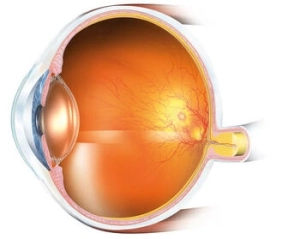 A cataract happens when the eye’s natural lens becomes cloudy, impairing vision. During cataract surgery, this cloudy natural lens is replaced with an intraocular lens (IOL) to correct vision. Selecting the right artificial lens is crucial because it influences your vision at multiple distances, your dependence on glasses, and your overall visual outcomes.
The eye’s natural lens can change shape to focus light at different distances. Modern artificial intraocular lenses aim to replicate this focusing power, though each type has different capabilities. Knowing these differences can help you align your vision goals with your lens choice.
Monofocal Lenses: Focusing on a Single Distance
Monofocal IOLs are a commonly used type of IOL. These lenses are designed to provide clear distance or near vision, depending on your preference, but they generally focus at a single distance.
- Distance Vision: Patients choose monofocal lenses for clear distance vision, allowing them to drive and see clearly far away without glasses.
- Near Vision: Reading or using a smartphone may still require reading glasses after surgery.
- Predictable Outcomes: Monofocal lenses are highly reliable and provide clear vision at the selected focal point.
People with pre-existing eye conditions, such as macular degeneration or glaucoma, may particularly benefit from the stability of monofocal IOLs. These lenses have a single focal point, meaning that the eye’s focusing power is consistent and uncomplicated.
Multifocal Lenses: Vision at Multiple Distances
Multifocal IOLs are considered premium lenses because they allow vision at multiple distances. They work by splitting light into several focal points, enabling you to see near, intermediate, and distant vision without relying on glasses as much.
- Multiple Focusing Powers: Multifocal lenses can provide good vision for intermediate distances, such as computers, while also maintaining clear distance vision.
- Reduced Dependence on Glasses: Many patients find that they require reading glasses only occasionally.
- Visual Adaptation: It may take a few weeks for the brain to adjust to the new focal points, but many patients report satisfaction with vision at multiple distances.
It is important to note that multifocal IOLs may not be suitable for all eyes, especially those with pre-existing eye diseases. Consulting with your eye surgeon helps ensure vision correction for your individual needs.
Accommodative Lenses: Mimicking the Natural Lens
Accommodative IOLs are designed to replicate the eye’s natural lens by allowing slight changes in lens position or shape, helping the eye to focus at various distances.
- Extended Depth of Focus: Accommodative IOLs offer a continuous range of vision from distance to near.
- Dependence on Glasses: Many patients still require reading glasses for very close tasks, but they can often complete daily activities without them.
- Focusing Power: The lens shifts within the eye, offering a more natural focusing ability compared to monofocal lenses.
These lenses are particularly beneficial for patients seeking vision correction with minimal reliance on glasses, while still maintaining clear distance vision.
Choosing the Right Lens for Your Vision
 Selecting the right IOL depends on multiple factors:
- Your range of vision requirements for work and leisure
- Whether you prefer to wear glasses or contact lenses for specific tasks
- Any pre-existing eye conditions that might affect visual outcomes
- Your personal vision goals for activities such as reading, driving, or using digital devices
A thorough consultation with your ophthalmologist ensures that your lens choice aligns with your visual needs, lifestyle, and expectations for clear vision.
What to Expect During Cataract Surgery Recovery
Cataract surgery recovery is typically smooth and gradual, with visual changes occurring in stages as the eye heals. Many people notice an improvement in clear distance vision within the first few days, while intermediate and near vision may continue to stabilise over the following weeks.
This adjustment period allows the intraocular lens to settle into place and the eye to adapt to its new focusing ability.
Follow-up Visits
Scheduled follow-up appointments are an important part of recovery. These visits allow your surgeon to check healing, monitor eye pressure, and assess how well your vision is responding to the chosen type of intraocular lens (IOL).
They also provide an opportunity to discuss any visual changes and fine-tune recommendations for everyday activities.
Temporary Visual Adjustments
During the early recovery phase, some people may find that temporary glasses are helpful for specific tasks, such as reading or computer work.
This is a normal part of the adjustment process, particularly as the eyes adapt to a new focal point and improved clarity at different distances.
Returning to Daily Life
Most people can return to regular routines relatively quickly, often resuming light activities within a short period.
As healing progresses, many notice greater comfort and confidence with vision at multiple distances, supporting everyday tasks such as driving, reading, and social activities.
Frequently Asked Questions
Can I choose different lens types for each eye?
Yes, in some cases, patients opt for different IOL types in each eye to balance vision at multiple distances. For example, one eye may receive a monofocal lens for distance vision, and the other a multifocal or accommodative lens to improve near vision.
How long before I can resume driving after cataract surgery?
You can resume driving within a few days once you achieve clear distance vision and the surgeon confirms your visual acuity is stable. This timeline can vary depending on the type of lens and your individual recovery.
Are there risks associated with different lens types?
All intraocular lenses carry standard surgical risks. Premium lenses may involve longer adjustment periods as the brain adapts to multiple focal points. Still, your surgeon will discuss suitability and potential outcomes based on your visual needs and eye health.
Conclusion
Choosing the right IOL is an important step in restoring clear vision after your cloudy lens is removed. By understanding the 3 types of cataract lenses, you can select a solution that meets your visual needs, reduces dependence on glasses, and aligns with your vision goals.
Discussing your lifestyle, vision expectations, and any pre-existing eye conditions with your ophthalmologist ensures better visual outcomes.
 Whether you prioritise clear distance vision, vision at multiple distances, or a more natural focus, there is an option to support your daily activities and overall quality of life.
Choosing the right cataract lens is an important decision that can help you achieve your vision goals and support your everyday activities. Our experienced eye surgeons are here to guide you through the options and answer any questions about monofocal, multifocal, or accommodative lenses.
Contact Mornington Peninsula Eye Clinic at (03) 9070 3580 to book a consultation and discuss which type of intraocular lens (IOL) suits your visual needs.
Note: Any surgical or invasive procedure carries risks. Before proceeding, you should seek a second opinion from an appropriately qualified health practitioner.
References
Bedinghaus, T. (2025, June 13). Multifocal Intraocular Lenses for Cataract Surgery. Verywell Health. Retrieved December 15, 2025, from https://www.verywellhealth.com/intraocular-contact-lenses-3421653
Brazier, Y. (2023, February 14). What You Need to Know About Cataracts. Medical News Today. Retrieved December 15, 2025, from https://www.medicalnewstoday.com/articles/157510
Reddy, N. (2022, July 7). Cataract Surgery: What to Expect Before, During, and After. GoodRx. Retrieved December 15, 2025, from https://www.goodrx.com/health-topic/eye/cataract-surgery-benefits-cost-recovery
Rung, R. (2024, June 14). Choosing the Right Cataract Lens Option for Surgery. Healthline. Retrieved December 15, 2025, from https://www.healthline.com/health/cataract-lens-options




Leave a Reply
Want to join the discussion?Feel free to contribute!