

Is ICL Eye Surgery A Better Choice For Your Vision?
Are you weighing up your options for permanent vision correction? Implantable Collamer Lens (ICL) eye surgery might be an option worth exploring, and for a good reason. With increasing numbers of Australians exploring alternatives to glasses or contact lenses, ICL eye surgery offers a refined approach to vision correction that has stood out for many individuals with high prescriptions or specific lifestyle needs.
In this article, we’ll walk you through everything you need to know about ICL eye surgery, from how the procedure works to who it may suit, how it compares to other procedures, and what recovery may involve.
What Is ICL Eye Surgery?
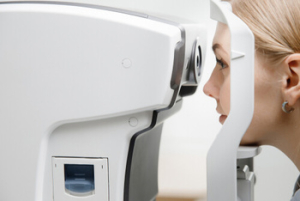 ICL stands for intraocular contact lens or implantable collamer lens, a soft, flexible lens made from a biocompatible material called collamer, which is designed to work in tandem with the natural eye.
ICL eye surgery involves placing a specially designed implantable contact lens that corrects your refractive errors, helping you see clearly without relying on glasses or contact lenses.
How Does The ICL Surgery Work?
The ICL procedure is considered a form of refractive surgery. It typically takes place as a day procedure, often completed in less than 30 minutes.
Here’s what you can expect:
1. Initial Consultation
Before undergoing any surgical or invasive procedure, it’s essential to book an initial consultation with an appropriately qualified eye surgeon.
During this visit, your experienced ophthalmologist will assess your vision, cornea thickness, eye pressure, and general eye health to determine whether ICL implants are a suitable option for you.
2. Preparing For The Procedure
Leading up to your ICL surgery, you may be prescribed medicated eye drops to minimise the chances of developing an infection and inflammation. Your surgeon will tell you all the details prior to surgery.
3. The Surgery Day
On the day of surgery, you’ll be given local anaesthetic in the form of anaesthetic eye drops. A light sedative may also be offered to help you stay comfortable.
Your eye surgeon will make a keyhole incision near the edge of your cornea. Through this tiny incision, the flexible lens is folded and gently inserted between your natural lens and iris. Once in place, the lens unfolds and remains invisible to you and others.
Since the incision is self-sealing, there’s usually no need for stitches.
How Do Collamer Lenses Differ From Regular Contact Lenses?
The Collamer lens used in ICL eye surgery is made from a material that combines collagen and a copolymer, which makes it biocompatible and gentle on the eye.
It includes UV protection and helps maintain excellent vision with minimal discomfort. Unlike traditional contact lenses, it doesn’t dry out or need to be removed daily.
Who Might Be A Good Candidate For ICL Eye Surgery?
ICL eye surgery may be suitable for individuals who:
- Are aged between 21 and 45 years
- Have a stable vision for at least 12 months
- Are not suitable for laser eye surgery
- Have thin corneas or high prescriptions (short-sightedness or long-sightedness)
- Want a permanent solution without removing corneal tissue
- Engage in contact sports or activities requiring robust eye protection
- Prefer not to wear glasses or contact lenses
An ophthalmology team will help you determine your candidacy during your consultation.
How Does ICL Eye Surgery Compare To Laser Eye Surgery?
ICL eye surgery and laser eye surgery are both popular ways to correct vision, but they work in different ways. ICL surgery involves placing a flexible lens inside your eye, behind the iris and in front of your natural lens. Laser eye surgery, such as LASIK, PRK, SMILE, or PRESBYOND, reshapes the surface of your eye, the cornea, to change how light enters.
One major difference is that ICL doesn’t remove any tissue, making it a good option for people with thin corneas or high prescriptions. Laser procedures are generally suited for mild to moderate prescriptions and may not be recommended for everyone.
ICL lenses are removable if needed, offering long-term flexibility. In contrast, laser eye surgery is permanent. ICL is less likely to cause dry eyes since the cornea is left untouched, while laser surgery may increase dryness in some people.
In terms of results, many patients see clearly quite soon after both procedures. However, recovery from ICL is often smoother, especially for those not suited to the surface healing involved in PRK.
Is ICL Eye Surgery Safe?
As with any surgical or invasive procedure, ICL surgery carries risks. These may include increased eye pressure, infection, glare or halos at night, or the need for reading glasses later in life.
However, ICL surgery is performed by an experienced ophthalmology team using well-established techniques, and most patients experience minimal discomfort and return to normal activities within a few days.
What Is The Recovery Time Like?
Recovery after ICL eye surgery is generally smooth and relatively quick, especially when you follow your post-operative care instructions closely. While each person heals at their own pace, there are some common stages that most people experience.
1. Immediate Recovery
After surgery, you’ll relax in the recovery area under observation. You’ll likely be sent home with eye drops to use over the next few days.
You’ll be advised to avoid:
- Rubbing your eyes
- Strenuous activity
- Contact sports
- Swimming or exposing eyes to dirty water
2. Short-Term Recovery Timeline
Patients typically experience:
- Clear vision within 24–48 hours
- Ability to return to work within 2–3 days
- Minimal downtime, thanks to the self-sealing incision
Follow-up visits will help you monitor eye pressure and healing progress and ensure the lens remains correctly positioned.
3. Long-Term Outlook
Your eyes continue to adjust to the new ICL implants in the weeks following surgery. You’ll receive guidance about when to resume all activities, including high-impact sports.
Most people enjoy long-lasting results and require no further correction for many years.
Frequently Asked Questions
Can I drive after ICL surgery?
You’ll need someone to drive you home on the day of surgery. Your eye doctor will let you know when it’s safe to resume driving, often within a few days.
How much does ICL surgery cost in Australia?
ICL surgery cost can vary based on your location, the clinic, and your personal vision needs. Your clinic will provide a personalised quote at your initial consultation, along with available payment options.
Will I still need reading glasses?
Reading glasses may still be required as you age. ICL doesn’t prevent presbyopia, a natural age-related change in vision.
Final Thoughts
 If you’ve been searching for a long-term way to enjoy life without the daily reliance on glasses or contact lenses, ICL eye surgery could be worth exploring. It offers a flexible, biocompatible solution that preserves the natural structure of your eye, all while correcting a wide range of refractive errors.
While the procedure isn’t suitable for everyone, it can be life-enhancing for many. As with any surgical or invasive procedure, it’s important to have a thorough consultation with an appropriately qualified health practitioner. This ensures the best possible outcome based on your individual eye health and lifestyle.
Ready to find out if ICL in Melbourne is right for you? Schedule your initial consultation with Mornington Peninsula Eye Clinic at (03) 9070 3580 and take the first step towards clearer vision and greater confidence in your day-to-day life.
Note: Any surgical or invasive procedure carries risks. Before proceeding, you should seek a second opinion from an appropriately qualified health practitioner.
Sources
Garg A, Chaudhary S, Pandey A. Common Complications of Implantable Collamer Lens Implantation. Delhi Journal of Ophthalmology [Internet]. 2024 Oct;34(4):270–2. Available from: https://journals.lww.com/djo/fulltext/2024/10000/common_complications_of_implantable_collamer_lens.6.aspx
Nunez K. What You Need to Know About ICL Vision Surgery [Internet]. Healthline. 2020 [cited 2025 Jun 18]. Available from: https://www.healthline.com/health/icl-surgery
Hebebrand K. What to Know About Implantable Collamer Lens (ICL) Surgery? [Internet]. WebMD. 2024 [cited 2025 Jun 18]. Available from: https://www.webmd.com/eye-health/what-to-know-icl-surgery


Leave a Reply
Want to join the discussion?Feel free to contribute!