

How Long After Cataract Surgery Can You Drive Normally?
Cataract surgery is one of the commonly performed surgical procedures, offering patients the opportunity to restore clearer vision. After undergoing a cataract operation, many patients naturally wonder: how long after cataract surgery can you drive?
This article aims to guide you on when to resume driving post-surgery, outlining the recovery period, factors affecting driving readiness, and essential considerations to ensure your vision is fully prepared for driving.
Understanding Cataract Surgery
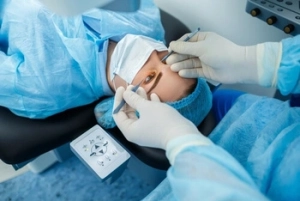
Cataract surgery involves removing a clouded lens from the eye and replacing it with an artificial intraocular lens. This procedure is typically performed under local anaesthesia, and many patients notice improved vision within a few days.
However, full recovery can vary depending on individual factors, the type of lens implant used, and whether surgery was performed on one eye or both.
The Role of Intraocular Lenses
After cataract removal, your eye receives an artificial lens, known as an intraocular lens (IOL). There are several types, including standard monofocal lenses, accommodative intraocular lenses, and multifocal lenses.
These lenses help restore a focal point for distance vision and may reduce dependency on contact lenses or glasses post-surgery. Understanding the type of lens used can influence how quickly your vision stabilises and when it is okay to resume driving.
Recovery and Key Considerations After Cataract Surgery
 The recovery period following cataract surgery is generally straightforward, though each person’s experience can differ. Many patients notice blurry vision or slight fluctuations in visual clarity during the first few days, which gradually improve as the eye heals and adjusts to the artificial intraocular lens.
Understanding what to expect during this time can help you make the transition back to everyday activities smoother and more comfortable.
Several factors can influence recovery time after having cataracts removed and how easily you return to normal routines:
- Pre-Existing Vision Conditions: Conditions such as glaucoma, diabetic retinopathy, or previous eye injuries may affect the speed and clarity of visual recovery.
- Overall Eye Health: A healthy ocular surface, normal eye pressure, and the absence of other complications contribute to a more consistent recovery.
- Type of Lens Implant: Different intraocular lenses, including monofocal, multifocal, and accommodative lenses, can influence how your eyes adjust for distance and near vision, and how clear your focal point is.
- Adherence to Post-Surgery Care Instructions: Using prescribed eye drops, attending follow-up appointments, and avoiding activities that increase eye pressure.
During this period, you may also need to consider:
- Temporary Vision Changes: Small variations in clarity or mild blurry vision are common as your eyes adapt to the lens implant. Recognising this as a normal part of recovery can help you feel more at ease as you gradually resume daily tasks.
- Need for Glasses: Some patients regain clear distance vision quickly, while others may still benefit from wearing glasses for specific activities, like night driving or reading. Your artificial intraocular lens typically provides good vision for daily tasks, but occasional use of glasses can enhance focus and comfort.
By keeping these factors in mind and approaching recovery with informed expectations, you can support your eyes as they adapt, helping your vision clarity gradually improve and preparing you to return to activities like driving and other daily routines.
When Can You Resume Driving After Cataract Surgery?
 Determining the appropriate time to resume driving involves several considerations. The critical factor is whether you have a clear vision in the operated eye.
Most patients find they can drive once their vision has stabilised, and they can comfortably see distance vision cues, such as road signs and other vehicles.
It is important to discuss your readiness with your eye doctor, who can provide guidance based on your individual recovery period and visual clarity.
Driving With One Eye Operated
If only one eye has undergone surgery, the brain may take a short period to adapt to the new visual input. Some patients report temporary challenges with depth perception and colour perception, which are crucial for safe driving.
In these cases, your eye specialist may recommend waiting until your vision stabilises before returning to the road.
Driving After Both Eyes Are Operated
For those undergoing cataract surgery on both eyes, recovery may extend slightly longer. Vision typically becomes more balanced once both eyes have healed and any post-operative blurry vision or focal point differences are resolved.
Many patients find their distance vision improves steadily after the second surgery, enabling them to resume driving.
Factors Influencing Driving Readiness
Several factors can affect how long it takes to resume driving after cataract surgery. Understanding these factors helps patients anticipate their recovery and make informed decisions about returning to activities behind the wheel.
Vision Clarity
Clear vision is essential for driving, particularly for recognising road signs and detecting potential hazards. Temporary changes, such as a cloudy lens effect or minor posterior capsule opacification, can influence visual clarity during the early recovery period.
Many patients find that their ability to focus on distant objects gradually improves as the eye heals and adapts to the artificial lens.
Depth and Colour Perception
After cataract removal, depth perception may require a brief adjustment period, especially if only one eye has received an intraocular lens.
Similarly, colour perception may feel slightly different immediately post-surgery. Allowing the brain time to adapt to these changes supports smoother visual coordination.
Light Sensitivity and Glare
Bright lights, oncoming headlights, or direct sunlight may appear more intense following surgery. Many patients notice increased glare sensitivity, which can make driving during the day temporarily more challenging.
Wearing sunglasses while outdoors can help manage light sensitivity and enhance overall visual comfort during the recovery period.
Night Driving
Night driving can present additional challenges due to reduced contrast sensitivity and glare from headlights. During early recovery, some patients may prefer to limit nighttime driving until their distance vision and focal point perception have stabilised.
Gradually reintroducing evening driving can help patients adjust while maintaining visual awareness.
Adherence to Post-Surgery Care
Following your post-surgery instructions is vital for a smooth recovery. Consistent use of prescribed eye drops, attending follow-up appointments, and avoiding activities that increase eye pressure contribute to optimal healing.
By understanding these factors, patients can make informed decisions about returning to the road and better anticipate the timeline for driving after cataract surgery, ensuring their vision is appropriately prepared for all driving conditions.
Frequently Asked Questions
How long does it take for vision to improve after cataract surgery?
Many patients notice improved vision within a few days, but full recovery and optimal visual clarity may take several weeks. This can vary depending on the type of intraocular lens and individual healing response.
Are there activities I should avoid while my eyes heal?
During the recovery period, avoid activities that raise eye pressure, such as heavy lifting or frequent bending. Protecting your eyes from strain and following post-surgery care instructions supports a smoother recovery and helps prepare your vision for driving after cataract surgery.
What is posterior capsule opacification, and can it affect driving?
Posterior capsule opacification is a common post-surgery change where the back of the lens capsule becomes slightly cloudy. It can cause temporary blurry vision or reduced distance vision, which may affect driving. Your eye doctor can monitor this during follow-ups and recommend treatment if necessary.
Conclusion
 Understanding how long it takes to drive after cataract surgery involves recognising that recovery varies from person to person. Factors such as the type of lens implant, whether one or both eyes were operated on, and adherence to post-surgery care all influence readiness.
By consulting your eye doctor, managing glare sensitivity, and observing gradual improvements in distance vision, many patients return to driving with improved vision.
Taking a careful, informed approach ensures your transition back to driving after cataract surgery is comfortable and aligned with your individual recovery needs.
If you’ve recently had cataract surgery or are planning your procedure, understanding when you can drive is an important part of your recovery. Our experienced eye doctors can assess your vision clarity, monitor your healing, and guide you on when to resume driving.
Book a consultation with Mornington Peninsula Eye Clinic at (03) 9070 3580 to review your post-surgery progress, ask questions about lens implants, and get personalised advice for a smooth transition back to your daily activities.
Note: Any surgical or invasive procedure carries risks. Before proceeding, you should seek a second opinion from an appropriately qualified health practitioner.
References
Healthdirect Australia. (2024, February). Cataract Surgery. Healthdirect. Retrieved November 27, 2025, from https://www.healthdirect.gov.au/cataract-surgery
Herndon, J. (2021, July 27). What to Expect During Cataract Surgery Recovery. Healthline. Retrieved November 27, 2025, from https://www.healthline.com/health/eye-health/cataract-surgery-recovery
Moore, W. (2024, November 15). Complications of Cataract Surgery. WebMD. Retrieved November 27, 2025, from https://www.webmd.com/eye-health/cataracts/complications-cataract-surgery
Sissons, B. (2025, January 29). What to Do and What to Avoid After Cataract Surgery. Medical News Today. Retrieved November 27, 2025, from https://www.medicalnewstoday.com/articles/do-and-don-t-after-cataract-surgery



Leave a Reply
Want to join the discussion?Feel free to contribute!